Flood restoration in Surrey is the emergency work of getting flood water out of a building, drying the structure, and stopping the damage from spreading. That includes storm water, river water, a sewage backup, and a sump that failed and filled a basement. It is a different job from a single burst pipe. A flood wets whole rooms, soaks insulation and wall cavities, and often leaves contaminated water behind. We extract the water, set drying equipment where the moisture readings say it went, and keep checking until the building is actually dry.
Surrey sits low in a lot of places. Bridgeview, South Westminster, Port Kells, Colebrook, and the Nicomekl and Serpentine lowlands take on water when the Fraser rises or an atmospheric river dumps a day's rain in a few hours. Crescent Beach and Ocean Park see storm surge and drains that can't keep up. A flood in these neighbourhoods is rarely a puddle in one corner. Water crosses a floor, wicks up drywall, and often ends up in the crawl space.
The first hours decide how much of the house you get to keep. Standing water keeps climbing gypsum and insulation. Wood framing stays wet long after the carpet looks dry on top. If the water is sewage, river water, or storm water off the street, it is not clean, and porous materials that soaked it usually have to come out rather than be dried in place. We sort the loss by where the water came from and how far it travelled, then dry what can be saved and remove what can't.
A flood restoration visit starts with safety and the source. Power gets checked before anyone is standing in water. Then extraction, then a moisture map of floors, walls, and cavities, then air movers and dehumidifiers placed on the wet areas, not just in the middle of the room. We come back and log readings until the structure is dry. Guessing from the paint surface is how a flood turns into a mold problem three weeks later.
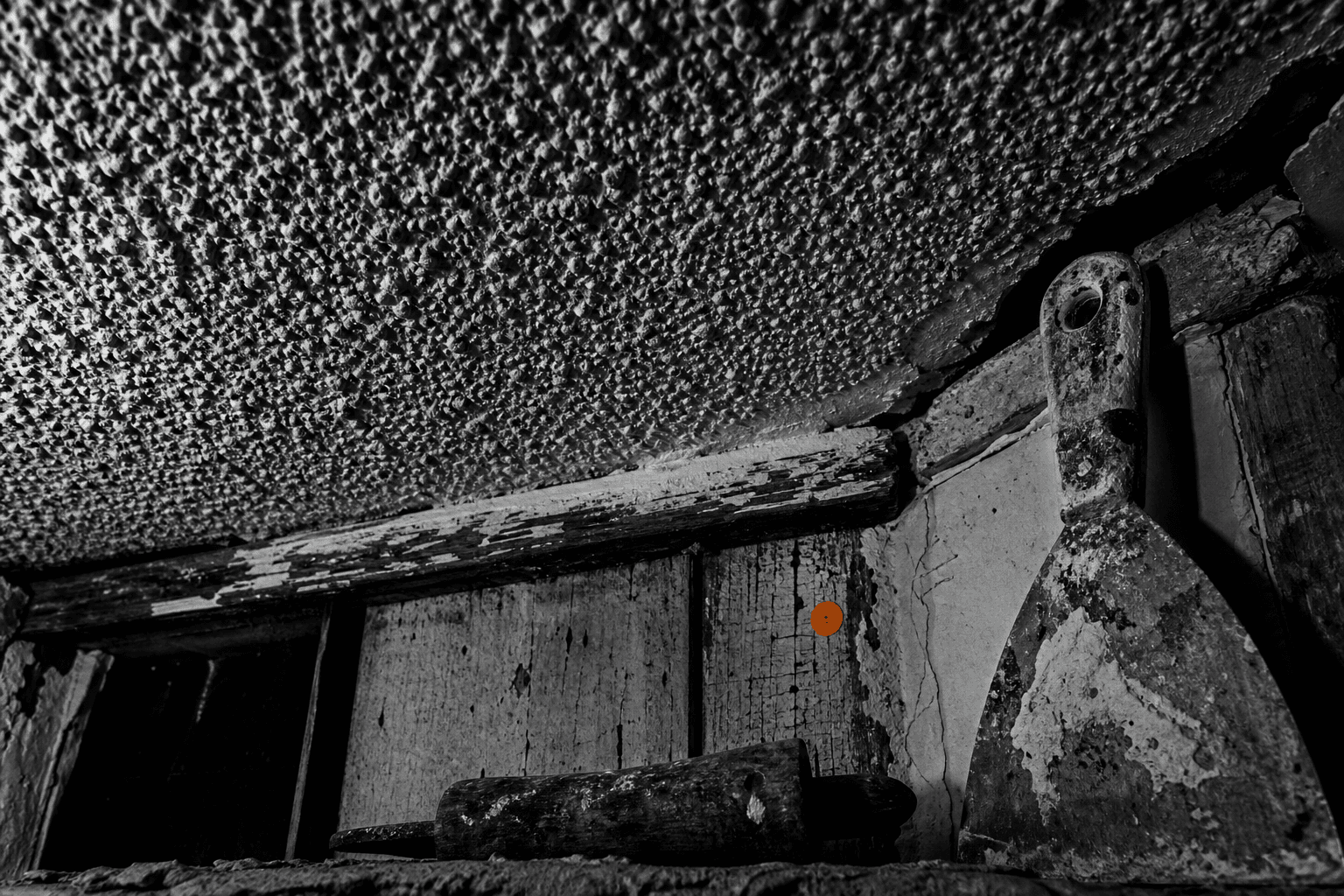
Older homes add a second problem. Wet ceiling texture, floor tile, and drywall mud in a pre-1990 Surrey house can contain asbestos. Cutting that out during a flood cleanup without a test can spread fibres through a house that is already a mess. If the materials we're opening predate the early 1990s, we test first. Flood restoration gets the water out. If asbestos removal is needed, that is its own contained scope, not something we fold into the demo.
What's included
- Emergency assessment of the water source and safety hazards
- Extraction of standing water from floors and accessible cavities
- Moisture mapping of walls, floors, and framing
- Structural drying with air movers and dehumidifiers
- Removal of porous materials that soaked contaminated water
- Contents moved or protected so drying can actually reach the structure
- Return visits with logged moisture readings until the building is dry
- Written notes you can hand to your insurer
- Asbestos testing before tear-out when the wet materials predate 1990
When you need this service
Storm, river, or overland water in the house
Heavy rain, a backed-up storm drain, or Fraser high water that came in through a door, window well, or crawl space vent. This water is treated as contaminated. Flooring, insulation, and wet drywall usually come out rather than being dried and left.
Sewage backup
A main line or floor drain that backed sewage into a basement or suite is a flood restoration job, not a mop-up. Affected porous materials get removed, the area gets cleaned, and the structure gets dried before anyone rebuilds.
Failed sump or overwhelmed pump
Crawl spaces and low basements in Surrey rely on sump pumps that fail during the worst rain of the year. By the time you notice, the cavity under the floor can be holding water against the joists. We pump it out and dry the framing, not just the finished room above.
A finished basement under water
Carpet, pad, baseboards, and the bottom of the drywall wick water fast. If it sat overnight, the wet line is usually higher than it looks. We meter it, cut to the dry line, and dry the cavities before new material goes back.
How we handle it
- 1
On-site assessment & sampling
We come out, look at the material, and take samples of anything we suspect contains asbestos.
- 2
Accredited lab testing
Samples go to a certified lab. You get a clear answer on what is and isn't asbestos before any removal happens.
- 3
Sealed containment & removal
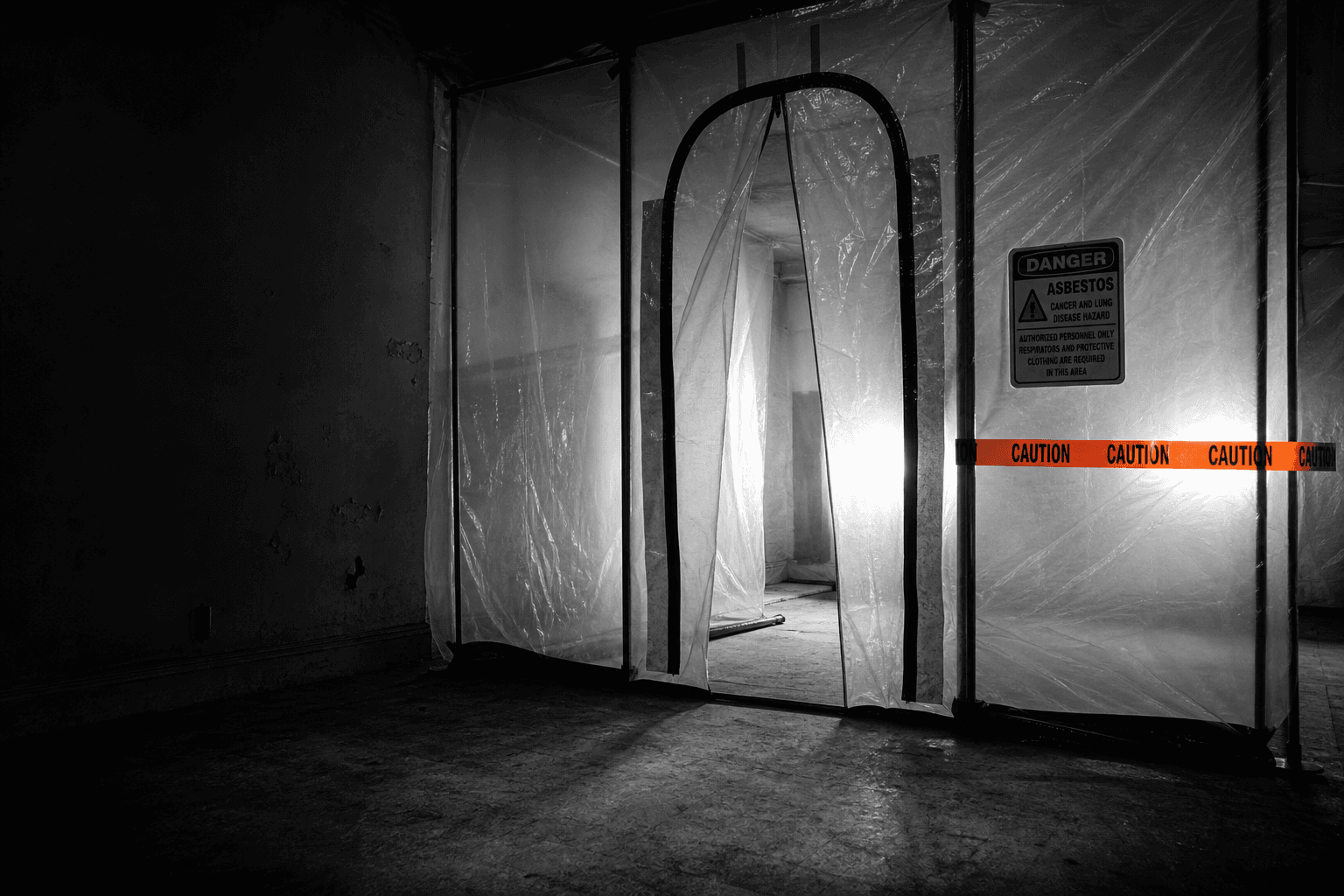
We build proper containment, run HEPA-filtered negative air, and remove the material without spreading fibres.
- 4
Safe disposal
Everything is double-bagged, sealed and hauled to a certified disposal facility with full documentation.
- 5
Clearance testing
Independent air testing confirms the space is clean, and you get written clearance so you can renovate with confidence.
Why choose Surrey Asbestos Pros for flood restoration
- We treat flood water as contaminated until the source says otherwise
- Drying is based on moisture readings, not on whether the surface looks dry
- We remove what can't be saved and dry what can, so you're not paying to gut a room that didn't need it
- Documentation is written for an insurance file, not a vague invoice
- Pre-1990 materials get asbestos testing before we cut into them
- Local crews who already work these Surrey, Delta, and Tri-Cities neighbourhoods
Where we work
We provide flood restoration across all of Surrey and the Lower Mainland. See all areas we serve →
Related services
Surrey Asbestos Pros — licensed asbestos testing & removal across Surrey and the Lower Mainland.
FAQ
Flood Restoration FAQs
What counts as a flood versus a regular water leak?
A flood wets a whole area at once. Storm water, river water, a sewage backup, or a sump that failed and filled the basement. A regular water damage job is a contained release from the building itself: a burst supply line, a failed water heater, a dishwasher, a toilet, or a roof leak over one room. Both need fast drying. The cleanup is different because flood water is usually contaminated, and a lot more of the building is wet.
How fast do you need to start flood restoration?
The same day if you can. Standing water keeps climbing drywall and insulation, and sewage or river water soaks materials that often can't be saved once they've sat. Call us, tell us where the water came from and how deep it is, and we'll get a crew moving. While you wait, stay out of the water if you don't know whether power is still live, and don't run the furnace if the returns are near the wet floor.
Will my flooded drywall and insulation have to come out?
Often, yes, if the water was sewage, river water or storm water, or if it sat long enough to soak the cavity. Clean water that is extracted quickly can sometimes be dried in place. We meter the walls and cavities before we start cutting, so we're not guessing from a stain on the paint.
Get a quote · No obligation
Need flood restoration in Surrey?
Call now or send us a message to get a quote. We test, contain and remove asbestos across Surrey and the Lower Mainland, the right way.