Most Surrey homeowners have never had an asbestos test done and aren't sure what to expect. It's actually a quick, straightforward process — and it's the only way to know with certainty whether the materials in your home are safe to disturb. Here's exactly what happens.
When do you actually need a test?
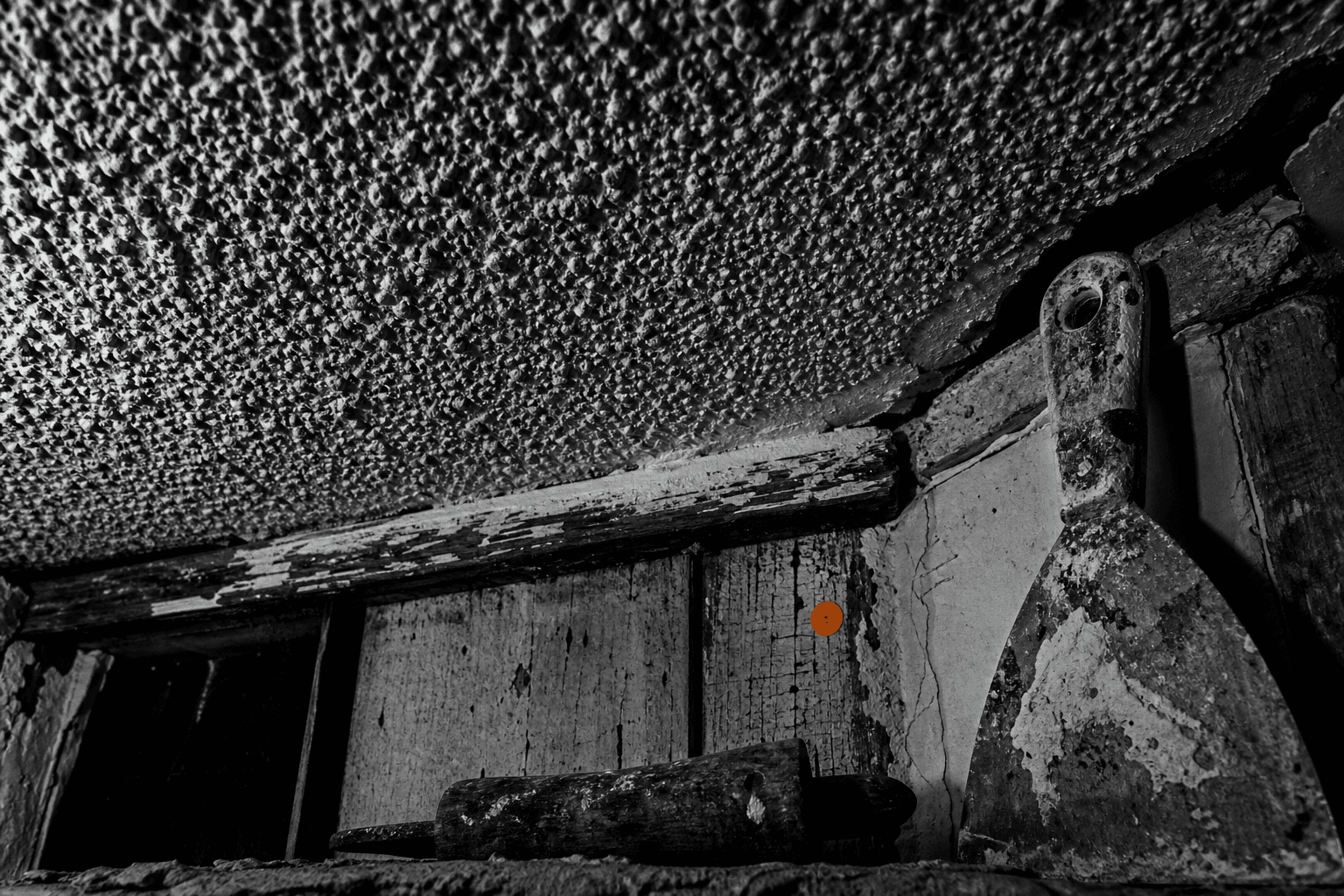
Any home or building constructed or renovated before 1990 can contain asbestos-containing materials. You need a test before any work that will disturb those materials — knocking down walls, removing flooring, replacing a popcorn ceiling, opening up a ceiling for electrical, gutting a bathroom. WorkSafeBC's OHS Regulation Part 6.1 makes this a legal requirement on any job site, and it's good practice even for homeowners doing their own work.
You also need a test if you're buying or selling an older home and want to know what's there, or if you've found something that looks suspicious — crumbling pipe wrap, old ceiling tiles, or a grey pebbly attic.
The site visit
We come to your home and do a visual inspection first. We look at what you're planning to disturb and identify all the suspect materials — textured ceilings, flooring, drywall seams, pipe wrap, attic insulation and anything else that's in the scope of the planned work. We'll ask about the age of the building and any previous renovations, since updated sections may use newer materials.
How samples are taken
Sampling is done carefully to minimize disturbance. We wet the material before taking a sample (wetting suppresses fibre release), cut or scrape a small portion, and seal it immediately in a labelled container. We work in a controlled way and clean up thoroughly before leaving. The sample holes are patched or sealed. Most homeowners are surprised at how minor it is.
Each different material type gets its own sample — the ceiling texture gets tested separately from the floor tile, which gets tested separately from the joint compound. You get a result for each.
The lab and how long it takes
Samples go to an accredited analytical laboratory where they're examined under polarized light microscopy (PLM) — the standard method for identifying asbestos fibres and fibre type. Standard turnaround is typically three to five business days. Rush processing is available for time-sensitive projects.
Reading your results
The lab report identifies each sample as either non-detect (no asbestos found) or positive, and if positive, lists the fibre type (e.g. chrysotile, tremolite, amosite) and the percentage by area. You'll get a plain summary of what it means for your project. Non-detect materials can proceed to demo without asbestos precautions. Positive materials require abatement before work continues.
If the test comes back positive
A positive result isn't a crisis. It's just information. It tells you that a specific material needs to be removed by a trained, WorkSafeBC-compliant abatement crew before your renovation proceeds. Here's what that removal process includes:
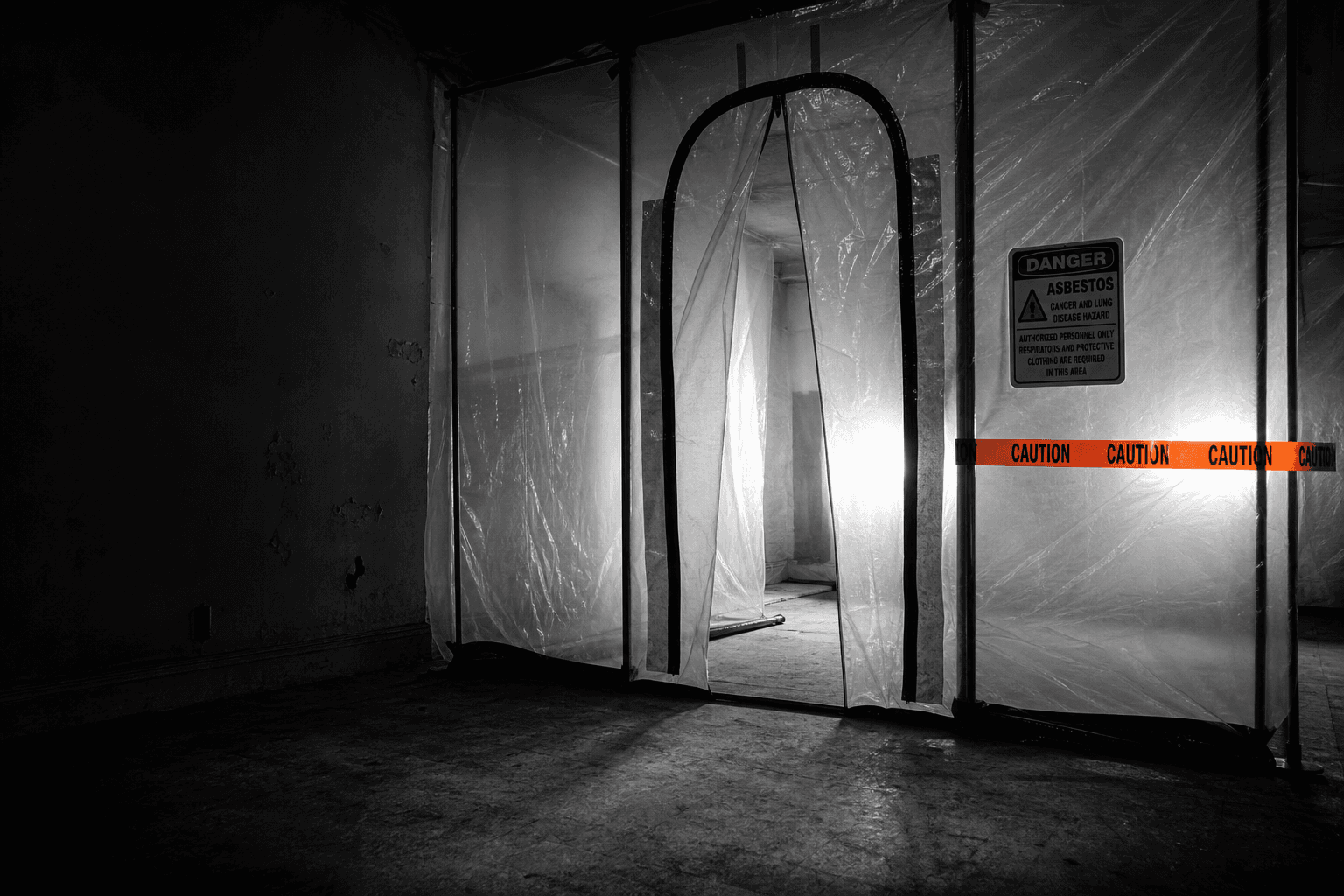
- Containment — plastic sheeting seals the work area from the rest of the house
- Negative air pressure — HEPA-filtered air movers exhaust air outward so fibres can't migrate
- Wet removal — keeping materials damp during removal suppresses fibre release
- Proper disposal — asbestos waste is double-bagged in certified containers and transported to an approved facility
- Air clearance testing — independent post-removal sampling confirms the area is safe before containment comes down
Once clearance is confirmed, your renovation can proceed on the cleared area exactly as planned. The process adds a step to your project timeline but it's usually far less disruptive than most people expect — and it protects everyone in the house.
Ready to get your Surrey home tested? Call us and we'll book a time that works around your schedule.